
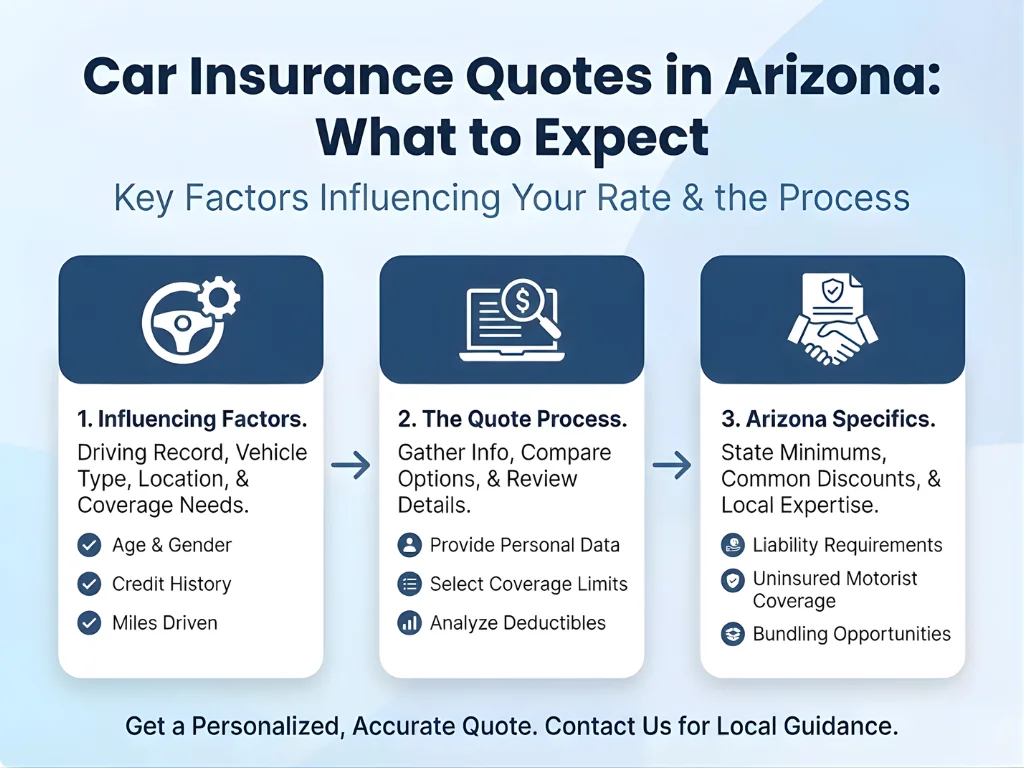
Car insurance is one of those things that every driver knows they need but rarely looks forward to shopping for. Still, if you live in Arizona—or you’re moving there—it’s essential to understand what goes into your car insurance quote and what makes rates in the Grand Canyon State unique. Arizona has a particular blend of weather, population density, driving habits, and legal requirements that impact how insurers calculate your premium.
In this guide, you’ll learn what to expect when you request car insurance quotes in Arizona. We’ll explore how rates are determined, what coverage is mandatory, how to compare quotes effectively, and what you can do to find the best value while staying fully protected on the road.
Understanding Arizona’s Car Insurance Basics
Before diving into the numbers, it helps to understand how car insurance works in Arizona. The state follows an “at-fault” system, meaning the driver responsible for an accident must pay for damages. This makes liability insurance more than a box to check—it’s your financial shield against potentially costly accidents.
Minimum Coverage Requirements in Arizona
Every state sets its own minimum car insurance requirements, and Arizona is no exception. To drive legally, you must carry at least:
- $25,000 bodily injury liability per person
- $50,000 bodily injury liability per accident
- $15,000 property damage liability per accident
These limits represent the bare minimum. While these meet legal standards, they may not fully protect you in a serious crash. Experts often recommend higher coverage—such as 100/300/100—to safeguard your assets and avoid out-of-pocket expenses.
You can also add optional coverages, such as uninsured/underinsured motorist coverage, collision, and comprehensive protection. These can make a significant difference, especially given that Arizona has an above-average number of uninsured drivers.
How Arizona Car Insurance Quotes Are Calculated
Car insurance quotes aren’t random numbers pulled from a hat—each premium is based on a detailed risk assessment. Insurers weigh dozens of personal and environmental factors to estimate the likelihood of you filing a claim.
Key Factors That Affect Your Arizona Quote
Let’s break down the most influential elements that determine what your quote will look like:
- Driving History: Accidents, speeding tickets, or DUIs will increase your premium. Arizona insurers often look back three to five years.
- Location: Living in Phoenix or Tucson generally costs more than smaller towns like Prescott or Yuma. Urban areas face higher theft and accident rates.
- Vehicle Type: Sports cars and luxury models are more expensive to insure due to higher repair or replacement costs.
- Credit Score: In Arizona, insurers may legally use your credit score to price policies. Good credit can lead to major savings.
- Age and Experience: Younger and less-experienced drivers pay more since they statistically face higher accident risks.
- Coverage Levels: Opting for full coverage (including collision and comprehensive) costs more upfront but offers better long-term protection.
- Annual Mileage: The more miles you drive annually, the greater your exposure to risk.
While these factors are fairly standard across states, Arizona’s unique landscape—from desert highways to congested city roads—can amplify how insurers weigh certain variables.
Regional Rate Differences Across Arizona
One lesser-known fact: your ZIP code significantly influences your car insurance quote. For example, Phoenix—Arizona’s largest city—often records higher rates of theft and accidents. Rural drivers, meanwhile, might see lower premiums but could pay more if they’re far from repair shops or emergency services.
- Phoenix: Expect higher rates due to traffic congestion and vandalism rates.
- Tucson: Still urban but slightly less expensive than Phoenix.
- Flagstaff: Moderate rates, often affected by winter road conditions.
- Yuma and Prescott: Generally lower premiums because of fewer claims.
The Average Cost of Car Insurance in Arizona
As of 2026, the average annual cost of car insurance in Arizona hovers around $1,650 per year, which is slightly above the national average. That’s roughly $137 per month for full coverage. However, it’s worth noting that quotes can vary widely depending on your circumstances.
Here’s a rough breakdown of what drivers might expect:
- Minimum coverage: Around $600–$800 per year
- Full coverage: Typically $1,400–$2,000 annually
- Young drivers (under 25): Up to $3,000 or more per year
- Drivers with clean records: Often below $1,200 annually
Arizona’s premiums tend to rise faster than average due to increased claim rates, hotter weather that can damage vehicles, and more frequent collisions linked to population growth in cities like Phoenix and Mesa.
Comparing Car Insurance Quotes in Arizona
It’s tempting to go with the first quote you get, especially when you’re short on time—but shopping around can lead to serious savings. Insurers use proprietary algorithms, so two companies might offer very different rates for the same driver profile.
How to Compare Quotes Effectively
When reviewing quotes, focus on more than just the dollar amount. Here’s what to look for:
- Identify equal coverage levels. Ensure all quotes use the same limits, deductibles, and coverage types for proper comparison.
- Review policy exclusions. Some low-cost policies exclude situations you assume are covered.
- Check financial ratings. Choose providers rated “A” or higher by AM Best or Moody’s for reliability.
- Read customer feedback. Local reviews in cities like Tempe or Glendale can reveal how companies handle claims.
- Ask about discounts. From bundling your home and auto insurance to maintaining a clean driving record, discounts can quickly add up.
Common Discounts That Lower Arizona Car Insurance Costs
No one wants to pay more than they have to. Fortunately, most insurers in Arizona offer a variety of discounts that can reduce your premiums significantly.
Popular Discount Opportunities
- Multi-policy discount: Save by bundling auto and home insurance.
- Safe driver discount: Rewarded for no recent accidents or violations.
- Low mileage discount: Perfect for remote workers or retirees who drive less.
- Good student discount: Ideal for young drivers maintaining a B average or better.
- Defensive driving course discount: Completing an accredited driving class can lower rates by 5–10%.
- Vehicle safety equipment: Cars with anti-theft systems and advanced safety tech often qualify for lower premiums.
When requesting quotes, don’t hesitate to ask specifically about available discounts. Insurers won’t always apply them automatically.
The Role of State Laws and Driving Culture
Arizona’s insurance market is shaped by more than individual behavior—it’s influenced by state laws and driving conditions. Because Arizona enforces a fault-based system, legal responsibility plays a much larger role in setting premiums compared to “no-fault” states like Florida or Michigan.
Legal and Environmental Factors
- Fault-Based Liability: The at-fault driver (and their insurer) must pay damages for injuries and property losses.
- Uninsured Drivers: Roughly 12–15% of Arizona motorists are uninsured, creating higher risk exposure.
- Weather Hazards: Dust storms and monsoon rains increase accident odds, prompting insurers to account for environmental risks.
- Expansion of Urban Areas: Rapid urban sprawl, especially around Phoenix, leads to more accidents and claims.
Together, these trends make it vital to consider adequate coverage, especially uninsured motorist protection and comprehensive policies that guard against weather damage or vandalism.
Full Coverage vs. Minimum Coverage: What’s Best in Arizona?
A common question Arizona drivers ask is whether full coverage is really worth it. The answer depends on your vehicle’s age, value, and your personal risk tolerance.
Minimum Coverage: Pros and Cons
Pros:
- Meets state requirements.
- Lowest monthly premiums.
Cons:
- Offers limited financial protection in serious accidents.
- Doesn’t cover your own vehicle’s damage.
- Leaves you vulnerable if the other driver is uninsured.
Full Coverage: Why It’s Often Better
Full coverage includes liability, collision, and comprehensive insurance, protecting against theft, weather, and vandalism. It’s especially wise if you’re driving a newer or financed car. While full coverage can cost about 60–70% more, it drastically reduces financial stress after unforeseen events.
For instance, if a sudden hailstorm damages your car in Flagstaff, comprehensive coverage ensures repairs are covered—something minimum liability won’t help with.
How to Get the Best Car Insurance Quote in Arizona
Securing a favorable rate requires a mix of preparation, research, and proactive steps. Here’s how to improve your odds of getting a strong quote:
Practical Steps to Secure Lower Rates
- Maintain a clean driving record. Avoid traffic tickets and accidents.
- Aim for good credit. Insurers view strong credit as a sign of financial responsibility.
- Increase your deductibles. If you’re comfortable paying a bit more out-of-pocket in claims, higher deductibles can lower premiums.
- Shop annually. Rates shift every year; comparing quotes ensures you’re still competitive.
- Reassess after life changes. Moving, buying a new car, or getting married can all impact rates.
- Take advantage of telematics. Usage-based insurance programs that track safe driving habits can reduce premiums over time.
Arizona’s Top-Rated Car Insurance Companies
While rates differ, some insurers consistently rank high for reliability, claims satisfaction, and affordability in Arizona.
Notable Providers to Consider
- State Farm: Known for strong customer service and local agents across the state.
- GEICO: Often provides some of the lowest average prices for online shoppers.
- Progressive: Good for customized coverage and tech-friendly services like Snapshot.
- American Family: Popular in the Southwest, with strong discount programs.
- USAA: Best for military members and their families; usually offers top savings.
Each company’s quote will reflect its underwriting process, so it’s wise to compare at least three options before deciding.
Mistakes to Avoid When Shopping for Quotes
Even savvy drivers make missteps when buying car insurance. Avoid these common pitfalls to ensure you get both a fair price and reliable protection:
- Focusing only on price: Cheap coverage might leave crucial gaps.
- Ignoring deductibles and exclusions: Small policy details can mean large costs later.
- Not updating policies: Failing to adjust after moving or selling a car can lead to coverage issues.
- Overlooking customer support quality: How an insurer handles claims can matter more than the initial price tag.
Avoiding these missteps helps you secure a policy you can count on when it matters most.
The Future of Car Insurance in Arizona
With technology and demographics evolving, Arizona’s car insurance landscape will continue to change. Telematics, electric vehicles, and increased automation are reshaping how insurers assess risk.
Expected Trends Ahead
- Telematics growth: More drivers using “pay-how-you-drive” models for discounts.
- EV coverage specialization: Insurers offering tailored policies for electric cars.
- Climate impact: Rising heat and intense storms pushing comprehensive claim costs higher.
- Automation and ADAS (Advanced Driver-Assistance Systems): These can reduce some risks but raise repair costs.
As these trends take hold, comparing quotes regularly will be even more important to ensure you’re getting fair rates.
Conclusion
Getting car insurance quotes in Arizona isn’t just about finding the cheapest price—it’s about understanding what drives your rates and ensuring you’re properly protected. From meeting the state’s minimum liability rules to navigating discounts and comparing providers, every decision impacts your total cost and peace of mind.
Arizona’s roads offer beauty and challenges—from city congestion to desert storms—so smart drivers prepare for both. Take time to gather quotes, review coverage details carefully, and work with insurers that value transparency and reliability. When you do, you’ll gain not only a fair premium but confidence that your protection truly fits your life behind the wheel in the Grand Canyon State.